
 TR
 EN
 AR
How to Choose the Right Chartplotter for Your Boat
Display size, touch or button control, sonar, charts and brand compatibility: what to look for when buying a chartplotter.
The chartplotter is the heart of a boat's electronics: you manage charts, radar, sonar, autopilot, cameras and often the audio system from one screen. That is why the right choice shapes not only today but also the equipment you add later.
1. Display size: boat length and viewing distance
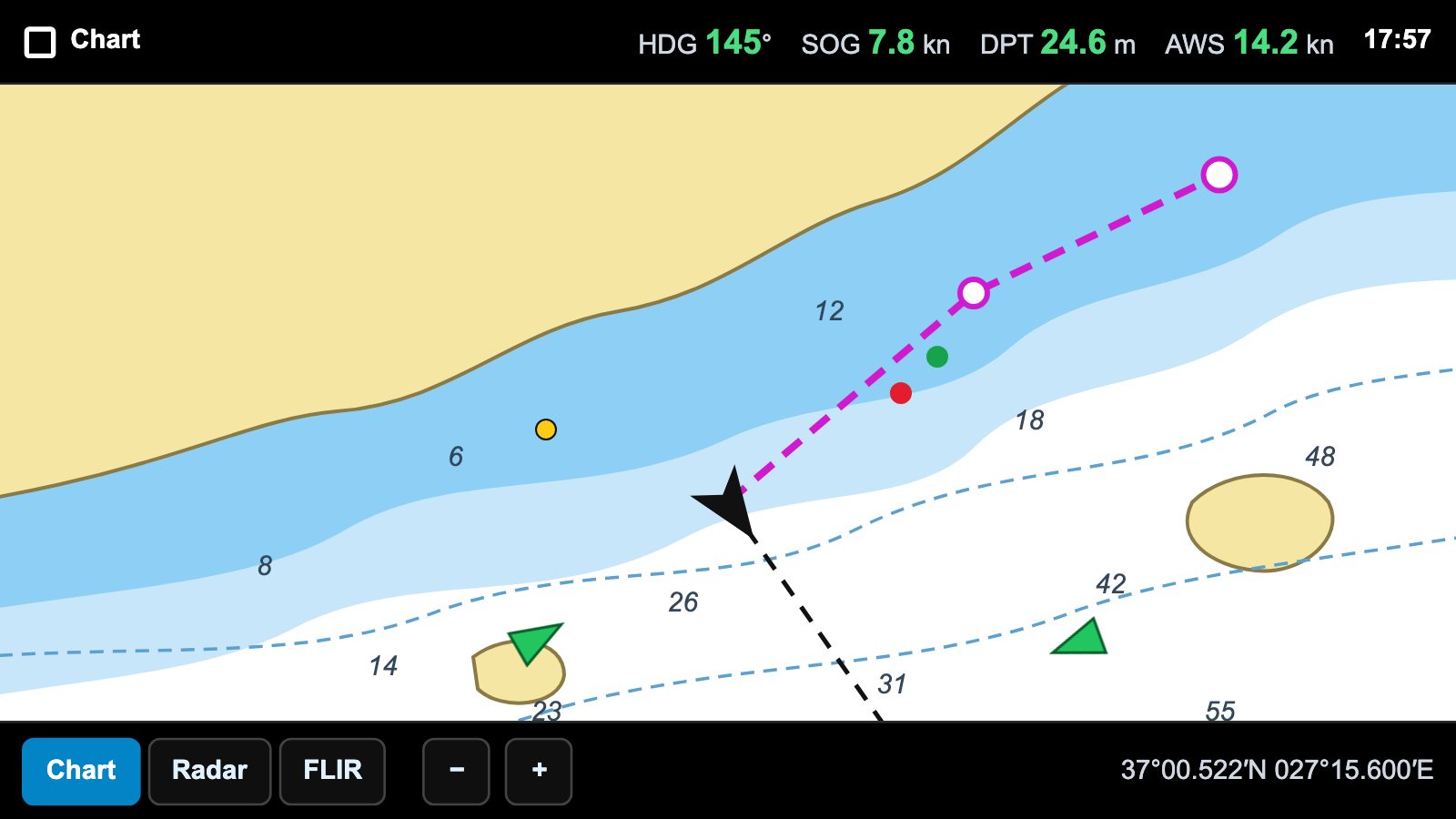
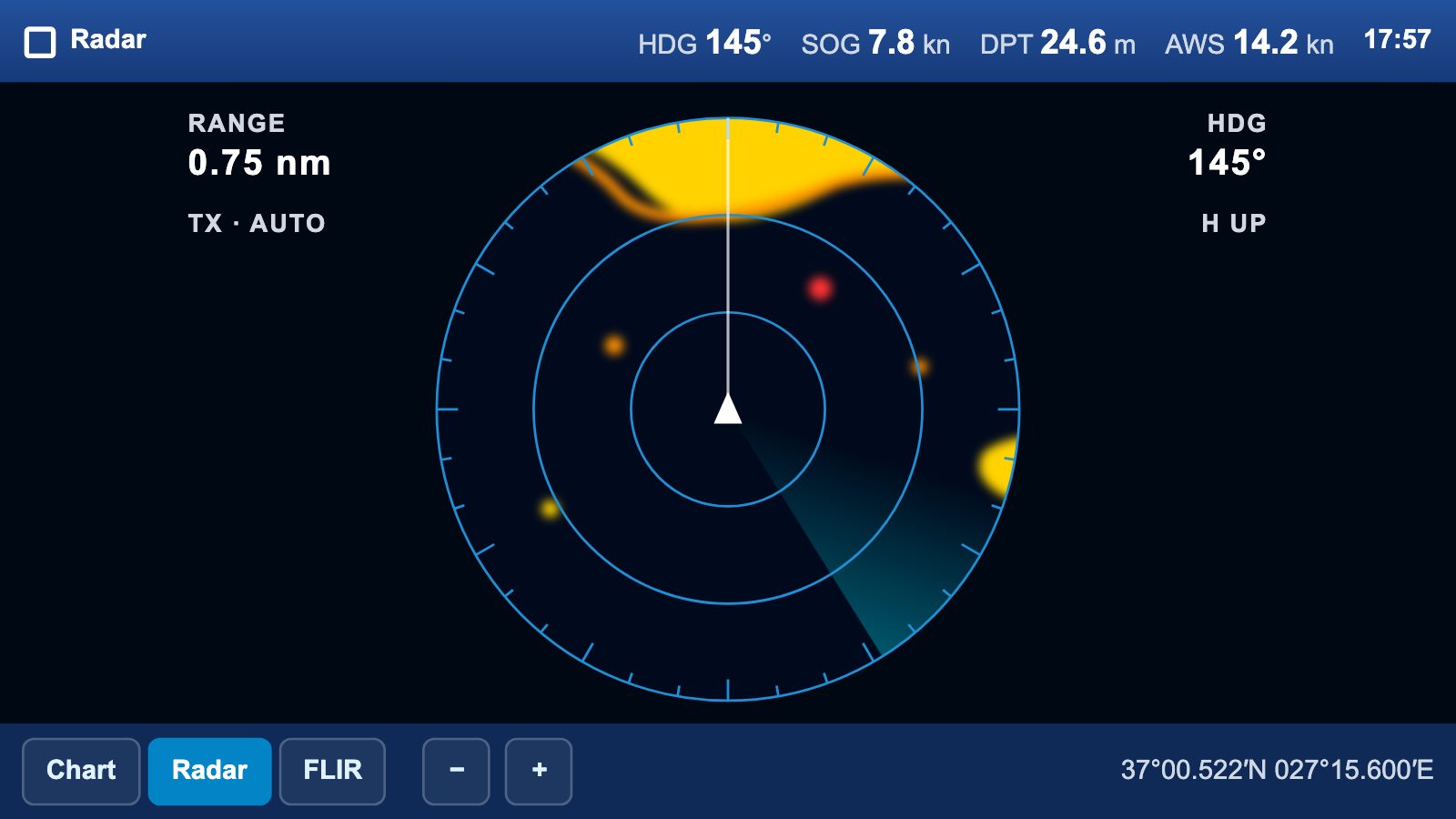
The general rule is to choose a display big enough to read comfortably while sitting or standing at the helm. For small speedboats and centre-console boats 7–9 inches is often enough. On 10–14 metre motor yachts and sailing boats 9–12 inches is common. On larger boats, 16 inches and above is preferred so you can split the screen and watch the chart and radar side by side.
- Space on the console: Flush mounting looks smart but needs enough depth and width in the console. Don't decide before measuring.
- More than one station: If there is a flybridge and an inside helm, the two displays need to share the same data over the network.
2. Touchscreen or buttons?
Touchscreens make operation easier. But in rough seas, with wet hands, or heeled over on a sailing boat, buttons or a rotary knob are safer. Many new models offer both. A separate controller can also be added for a remote station.
3. Readability in sunlight
Screen brightness (nits) and coating make a big difference in an open cockpit. Without a bimini or hardtop, choose high-brightness IPS displays and make sure they can be read with polarised sunglasses.
4. Sonar: built-in or a module?
If you will use a fishfinder, models with built-in sonar ("xsv", "CHIRP" etc.) are a practical solution. For live sonar (LiveScope, ActiveTarget, LiveSight) or high-power transducers, external sonar modules are more flexible. Choosing the right transducer type for your hull (transom, in-hull, through-hull) matters as much as the display.
5. Charts
For the Aegean and Mediterranean, Garmin Navionics+, Navionics Platinum+ and C-MAP are widely used charts. Which chart you use depends on the brand. Also find out whether chart updates come with an annual subscription or a one-off purchase.
6. Brand ecosystem and compatibility
Using radar, autopilot, camera and sonar modules with a display of the same brand ensures all features (radar overlay, autopilot control, camera image) work smoothly. Thanks to NMEA 2000 different brands can share basic data, but advanced features often stay within the same brand. Note which equipment is already on the boat. You may be able to change only the display and keep using the existing radar.
Summary
- Choose the display according to the boat length and console space.
- Decide on touch or button control based on your conditions of use.
- Decide on your sonar and chart needs from the start.
- Pay attention to compatibility with existing and future equipment.
To decide together on the right model for your boat, fill in the free quote form or browse Garmin, Raymarine, Simrad, B&G and Furuno products.